Sustainability Certifications in Promotional Products: Navigating the 2026 Landscape
Sustainability is no longer a marketing buzzword. For organizations with established brand standards, ESG initiatives, and complex procurement processes, sustainability verification has become a critical part of supplier selection.
However, the sustainability certification landscape is complex. Hundreds of labels, standards, and reporting frameworks exist across environmental impact, supply chain ethics, material sourcing, and corporate governance.
In the promotional products industry, where products often involve global supply chains and multiple material inputs, understanding which certifications matter can be difficult.
This guide helps marketing leaders, procurement teams, and brand managers understand the most recognized sustainability certifications relevant to promotional merchandise and branded goods in 2026.
Why Sustainability Certifications Matter in Promotional Products
Promotional products often touch multiple sustainability categories simultaneously:
- Materials (cotton, plastics, recycled materials)
- Manufacturing conditions
- Supply chain transparency
- Carbon impact
- Product lifecycle and waste
Certifications provide third-party verification that environmental and social standards are being met.
For companies implementing ESG programs, certifications help support:
- Responsible sourcing policies
- Corporate sustainability reporting
- Brand reputation protection
- Supplier accountability
They also help organizations avoid greenwashing, where environmental claims are made without credible verification.
Source:
https://www.ftc.gov/business-guidance/resources/green-guides
The Most Important Sustainability Certifications in Promotional Products (2026)
Below are the major certification categories relevant to branded merchandise, apparel, and corporate promotional products.
Sustainable Materials Certifications


These certifications verify that materials used in promotional products come from responsible or low-impact sources.
Forest Stewardship Council (FSC)
Ensures paper, wood, and packaging materials originate from responsibly managed forests that protect biodiversity and workers' rights.
Common in:
- notebooks
- paper packaging
- wooden promotional items
Cradle to Cradle Certified
Evaluates products based on circular design principles including:
- material health
- recyclability
- renewable energy use
- water stewardship
Often applied to consumer goods and packaging design.
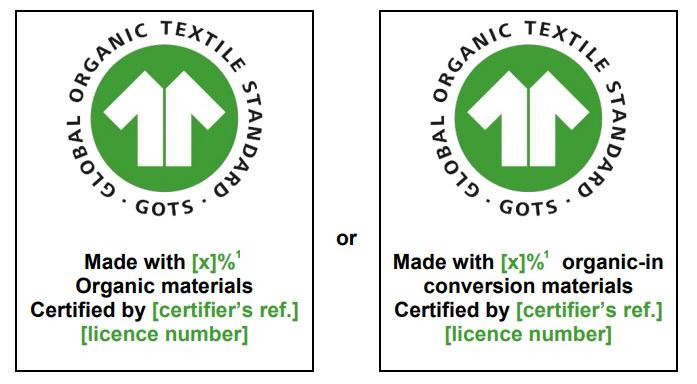
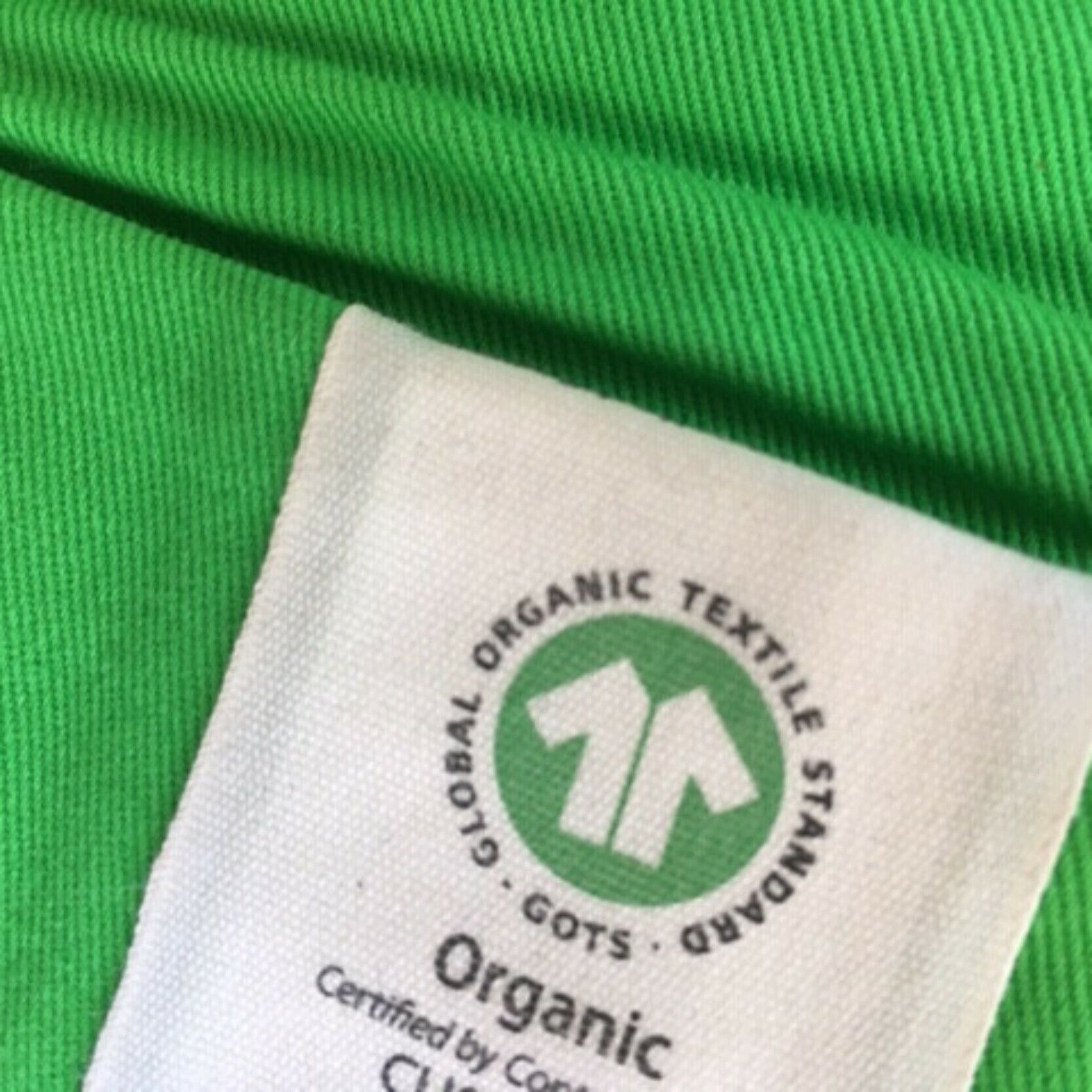
Global Organic Textile Standard (GOTS)
One of the most recognized certifications for organic textiles, covering:
- organic fiber sourcing
- chemical restrictions
- labor conditions
Common in organic cotton apparel and bags.
OEKO-TEX® Standard 100
Tests textiles for harmful substances and chemicals.
Frequently used for:
- apparel
- bags
- fabric promotional items
Environmental Impact & Carbon Certifications


These certifications measure carbon footprint and environmental lifecycle impacts.
Climate Neutral Certified
Companies measure, offset, and reduce their greenhouse gas emissions annually.
Increasingly used by consumer brands and product manufacturers.
https://www.climateneutral.org
CarbonNeutral Certification
Based on the CarbonNeutral Protocol, one of the oldest carbon accounting frameworks.
Companies must:
- measure emissions
- offset remaining carbon
- implement reduction strategies
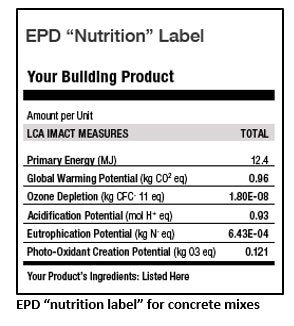
Environmental Product Declarations (EPD)
A third-party verified report describing the environmental lifecycle impact of a product.
Used heavily in manufacturing and building materials, but increasingly appearing in consumer products.
Ethical Supply Chain & Social Responsibility Certifications



These certifications verify labor conditions, corporate responsibility, and ethical sourcing practices.
Fair Trade Certified
Ensures workers receive fair wages and operate under safe working conditions.
Common for:
- textiles
- coffee products
- artisan goods
https://www.fairtradecertified.org
B Corp Certification
Companies must meet strict standards for:
- environmental impact
- governance
- employee welfare
- transparency
Recognized globally as a holistic ESG certification.
SA8000
A widely respected global standard focused on:
- fair labor practices
- worker safety
- ethical factory management
Often used by international manufacturing suppliers.
Indoor Air Quality & Product Safety Certifications

These certifications address chemical safety and indoor air quality, important for items used in workplaces.
GREENGUARD Certification
Ensures products emit low levels of chemicals and volatile organic compounds (VOCs).
Relevant for:
- office products
- furniture
- electronics accessories
https://ul.com/greenguard
Blue Angel
One of the world’s oldest environmental labels, evaluating:
- emissions
- energy use
- hazardous materials
Common in European markets.
Corporate Sustainability Reporting & Management Frameworks
These standards help organizations structure sustainability programs and reporting.
ISO 14001
International framework for environmental management systems.
Helps companies manage:
- waste
- energy
- environmental compliance
https://www.iso.org/iso-14001-environmental-management.html
Global Reporting Initiative (GRI)
A global framework used by companies to report:
- environmental impact
- governance practices
- social responsibility metrics
https://www.globalreporting.org
Supplier Diversity & Inclusion Certifications
Supplier diversity certifications support inclusive procurement programs.
Women's Business Enterprise National Council (WBENC)
Certifies businesses owned and controlled by women.
National Minority Supplier Development Council (NMSDC)
Certifies minority-owned businesses and helps connect them with corporate procurement teams.
Sustainability Ratings Platforms Used in Corporate Procurement
Many large companies now evaluate suppliers using third-party sustainability scoring platforms.
EcoVadis
One of the most widely used global sustainability rating platforms evaluating:
- environment
- labor practices
- ethics
- sustainable procurement
MindClick
Used heavily in hospitality and corporate procurement to evaluate supplier sustainability.
How Companies Should Evaluate Sustainability Certifications
Not all certifications are equally relevant for promotional products.
Marketing leaders should evaluate certifications based on:
1. Material Transparency
Is the certification verifying the materials used?
Example:
- FSC
- GOTS
2. Supply Chain Ethics
Does it ensure workers are treated fairly?
Example:
- Fair Trade
- SA8000
3. Environmental Impact
Does it measure lifecycle emissions or carbon footprint?
Example:
- Climate Neutral
- EPD
4. Corporate Governance
Does it evaluate company-wide ESG performance?
Example:
- B Corp
- EcoVadis
The Risk of Greenwashing in Promotional Products
Because promotional products are often low-cost and high-volume, sustainability claims can be difficult to verify.
Red flags include:
- vague claims like eco-friendly or green product
- no third-party certification
- unclear sourcing information
- marketing claims without lifecycle data
The Federal Trade Commission Green Guides outline rules for environmental marketing claims.
https://www.ftc.gov/business-guidance/resources/green-guides
STBL Strategies Approach to Responsible Promotional Products
At STBL Strategies, sustainability is treated as an operational discipline rather than a marketing trend.
We help organizations:
- evaluate promotional product suppliers
- identify credible sustainability certifications
- implement responsible sourcing standards
- align branded merchandise programs with ESG initiatives
For companies managing multiple locations, brand standards, and procurement processes, the goal is simple:
Create promotional product programs that deliver brand impact while supporting responsible sourcing and environmental stewardship.
Key Takeaways
- Sustainability certifications help verify responsible sourcing in promotional products.
- Certifications span materials, environmental impact, labor practices, and corporate governance.
- Third-party verification is critical to avoiding greenwashing.
- Organizations should prioritize certifications aligned with their ESG priorities.